December 2, 2025

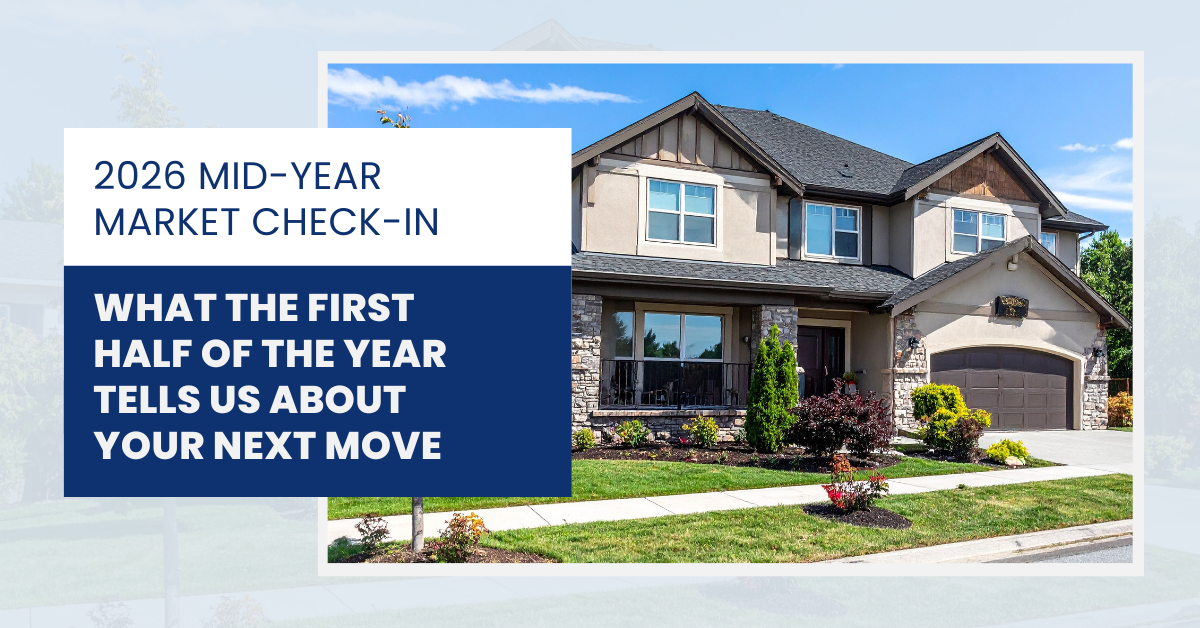
Planning Your 2026 Real Estate Moves: A Guide to the Best Buying and Selling Seasons

Timing isn’t everything in real estate, but it can mean the difference between saving $20,000 or paying a premium, selling in 30 days or waiting three months, and negotiating from a position of strength or uncertainty.


As we look toward 2026, understanding seasonal patterns has become more critical than ever. With inventory levels normalizing and market conditions continuing to evolve, knowing when to make your move can dramatically impact your outcome. Whether you're a first-time buyer watching every dollar or a seller trying to maximize your profit, the season you choose matters.


The challenge? Not everyone can wait for the "perfect" time. Job relocations happen in January. A growing family needs more space in July. Retirement doesn’t wait for spring. This guide breaks down the pros and cons of each season so you can make the smartest decision within your timeline.


Spring: Peak Selling Season (March-May)


Spring isn’t called peak season by accident. The housing market comes alive with energy that is impossible to ignore. Data shows homes listed in spring sell in as few as 33 days, compared to 49 days in winter.1 May also offers the highest seller premium, 13.1% above market value, translating to faster sales and higher returns.2


Buyer psychology also plays a role. Warmer weather encourages open house attendance, longer daylight allows more viewings, and families aim to move before school starts, creating urgency. Spring blooms and greenery boost curb appeal in ways winter staging cannot match.3


The Competition Factor


The trade-off is that spring’s advantages come with more competition. Sellers must make their homes stand out, pricing correctly, staging well, and marketing aggressively. Buyers benefit from the largest inventory, with new properties listed weekly, but face higher competition. In May and June, 35% of buyers pay above list price compared to 24% in January, making bidding wars common and increasing pressure to decide quickly.4


Summer: Extended Peak Season (June-August)


As spring transitions to summer, the market maintains its momentum. June often sees the highest sales volume of the year, with more than 16,500 homes selling per day.1


The Family Timeline


Summer’s appeal aligns with family schedules, as school breaks let children move without disrupting education. Warm weather and long days make moving easier and provide ample time for viewings. Outdoor spaces like pools, patios, and landscaping are at their best. Higher prices and sales activity reflect the premium buyers pay for peak-season convenience. 


Late Summer Shifts


By August, changes appear. Unsold spring or early summer listings may become “stale,” and buyers begin settling as school starts. Competition eases slightly, though prices stay high, making it a transition month where patient buyers can benefit.


A practical concern is moving costs, which peak in summer due to high demand. Nearly half of all household moves occur between June and August, increasing competition for movers and rental trucks alike.5


Fall: Underrated Opportunity Season (September-November)


Fall might be real estate's best-kept secret. While conventional wisdom suggests spring is the only time to transact, savvy buyers and sellers increasingly recognize fall's unique advantages.


Less Competition, More Serious Players


Data shows a large share of home sales occur in the fall, a detail often overlooked. With fewer competing sellers, listings stand out more, and active buyers tend to be serious and ready to act quickly.3


October typically offers the best conditions for buyers. Data shows it has one of the lowest seller premiums of the year—about 8.8% above market value—as demand cools and competition eases.2 Home prices also tend to dip slightly from summer highs, saving buyers thousands compared to peak-season purchases.4 For first-time buyers especially, fall can be an ideal time to find value without the bidding wars of spring and summer.


The Urgency Factor


Fall brings natural urgency. Buyers aim to close before holidays and bad weather, while sellers may be motivated by taxes or avoiding a winter listing. Comfortable weather in many areas makes showings easier.


Fall buyers are often more decisive, with fewer casual browsers and more serious purchasers ready to negotiate.


Winter: Value Season (December-February)


Winter gets a bad reputation in real estate, but for buyers with flexibility, it offers the year's best value proposition.


The Numbers Don’t Lie


The low-competition environment in winter provides the best opportunity for buyers to secure a discount. In January, only 24% of buyers pay above list price compared to 35% in May and June, which greatly reduces the chance of bidding wars.4 This lower competition also means winter homes stay on the market longer, averaging 49 days versus 31 days during peak season, giving buyers more time, less pressure, and stronger negotiating power.1 Motivated sellers become more flexible as the holidays pass. Moving companies also offer their lowest rates in winter.


Winter’s Challenges


Winter has trade-offs. Sellers face the lowest buyer traffic, holiday distractions, limited curb appeal from dormant landscaping, and shorter daylight for showings.


Yet winter offers advantages. Less competition can help if you price aggressively and present well, and buyers who do visit are highly motivated, often relocating for jobs. Warm-climate markets like Florida and Arizona see smaller winter slowdowns, making location important.1


Snow and ice create safety hazards, and cold weather makes moving harder. However, winter also reveals property truths, such as heating efficiency, drafty windows, and roof performance, which is all information savvy buyers use during inspections.


Regional Differences: Not All Markets Are Equal


Seasonal changes in the real estate market depend heavily on location, meaning a strategy that works in one city may fail in another. Markets in the Midwest and Northeast experience the most dramatic seasonal swings due to harsh winters, which push most activity into the short window between May and August. For example, daily home sales in the Midwest often more than double from January to June, with states like Illinois and Ohio seeing significant annual price swings.


In contrast, Southern and Western markets enjoy stable, year-round activity because of mild weather. Places like California and most of the South see much less severe slowdowns in winter. The exception markets are those where mild winter weather attracts buyers, like Phoenix, Arizona, where the best selling time is late November. Understanding these local patterns is crucial, as local market dynamics always matter more than general national statistics. Feel free to reach out if you would like to know more about the specific seasonal patterns in your local area.


Pricing Strategies by Season


Pricing strategy must adapt to seasonal realities. What works in May fails in December, and vice versa.


Spring and Summer Pricing


During peak season, competitive pricing often attracts multiple offers. Pricing strategically 10–15% below comparable sales can spark competition and push final offers above list. Psychological pricing also matters; listing slightly under round numbers ($349,000 instead of $350,000) increases online visibility and appeals to buyer behavior. Emphasizing seasonal features such as outdoor spaces, natural light, and blooming gardens helps justify premium pricing.3


Fall Reality Check


As competition declines in fall, pricing should be more realistic. Listing slightly below spring comparables can help generate activity. Flexibility on price attracts serious year-end buyers eager to close before the holidays and bad weather. Recognizing buyer urgency allows you to price strategically rather than reactively.2


Winter Aggression


Winter requires more aggressive pricing to attract a smaller buyer pool. Pricing 5–10% below spring values can create immediate interest. Motivated sellers should focus on value over premium pricing. Buyers shopping in January aren’t bargain hunters, they’re seeking homes that justify moving during an inconvenient season.1


Year-round best practices stay consistent: use a Comparative Market Analysis, consider current market conditions, account for unique property features that algorithms may overlook, and monitor comparable sales while staying open to adjustments.


Buyer Offer Strategies by Season


Spring and Summer Competition


Peak season requires quick, confident action. Get pre-approved to show you’re a serious buyer and be ready to move fast. Consider offering above asking price when you find the right property, and use an escalation clause to outbid competitors up to your limit. Flexible closing dates also strengthen your offer. Some buyers write personal letters to create emotional connections.


Fall and Winter Leverage


Negotiating power shifts with the seasons. In fall and winter, when seller competition drops and buyer pools shrink, you gain leverage. You can more easily request seller concessions such as closing costs, home warranties, repairs, or even appliances and fixtures. Use inspection results to negotiate price reductions, as motivated sellers grow more flexible later in the season. You can also request longer inspection periods and winter move-in credits.¹


Year-Round Negotiation Fundamentals


No matter the season, understanding the seller’s motivation is key. Support your offer with market data rather than emotion, and build rapport when possible. Stay calm and avoid emotional decisions.


Have your agent handle offers and counteroffers to reduce tension. Know your limits and walk away from deals that don’t fit your goals. In buyer’s markets, be assertive; in seller’s markets, make offers strong and decisive. The fundamentals stay the same, though their intensity shifts with the season. 


BOTTOMLINE


Seasonality creates opportunities and challenges, but personal circumstances should drive timing. Spring/early summer brings the highest prices and fastest sales. Winter offers buyers the best deals. Waiting for the “perfect” season doesn’t help if life demands action.


Understanding your specific situation, timeline, and goals allows us to create a customized strategy that maximizes outcomes within your constraints. The best time to move is when it's right for you.


Sources

1.    National Association of REALTORS®. Navigating the Housing Market: A Seasonal Perspective. 2024.
https://www.nar.realtor/blogs/economists-outlook/navigating-the-housing-market-a-seasonal-perspective

2.    Bankrate. Best Time to Sell a House. 2024
 https://www.bankrate.com/real-estate/best-time-to-sell-house

3.    Investopedia. How Seasons Impact Real Estate More Than You Think. 2024.
https://www.investopedia.com/articles/investing/010717/seasons-impact-real-estate-more-you-think.asp

4.    Zillow
https://www.zillow.com/learn/best-time-to-buy-a-house/

5.    My Moving Journey
https://mymovingjourney.com/blogs/moving-in-peak-season-vs-off-season

April 1, 2026
For a long time, multigenerational living had a reputation problem. It was the option families turned to when something had gone wrong — a job loss, a divorce, a health crisis. Moving back in with your parents, or having your parents move in with you, meant something hadn't worked out. That story has changed pretty significantly. Today, families are choosing this arrangement on purpose — not as a fallback, but as a deliberate decision to share costs, stay connected, and build something that actually works for how their lives are structured right now. According to NAR, 14% of buyers recently purchased a multigenerational home, and the year before that hit 17%. [1] These aren't people making the best of a bad situation. They're rethinking what "home" needs to do. If this is something you're considering — or something a family member has brought up — here's what's worth knowing before you start the search. Why More Families Are Going This Route The honest answer is: it's rarely just one thing. For most families, cost is somewhere in the mix. Buying together means more income earners on the loan, more people splitting the mortgage, and a monthly payment that's easier to justify. But if you talk to families who've actually done it, the financial piece rarely tells the whole story. Caregiving comes up constantly. Nearly half of multigenerational buyers in NAR's research cited caring for or wanting to be near aging parents as a primary reason for the purchase. [1][4] For older millennials in particular, aging-parent health and caretaking responsibilities were a major driver. That's not a trend that's going away — there are now more than 70 million Americans age 65 or older, and the question of how families want to handle that isn't one most people want to outsource entirely. [2] Remote work has also quietly changed the math. When you're not tethered to an office, living near family becomes less of a sacrifice. You can be close without it costing you professionally, which is a relatively new dynamic. [3] And then there's the harder-to-quantify stuff — the daily support, the shared routines, the sense that you're not navigating things alone. For families with young kids, having grandparents nearby can be transformative. For families with aging parents, so can having adult children close. The point is: if you find yourself drawn to this idea, you're in good company, and your reasons are probably more layered than just the numbers. What to Actually Look for in a Property This is where a lot of families get tripped up. They find a house they love, start imagining how it could work, and convince themselves the layout is more flexible than it really is. Then six months into living together, they realize what they actually needed was a separate entrance, not just a second bathroom. The properties that work best for multigenerational living tend to share a few things in common. They take privacy seriously. Not just in theory, but in the layout. Dual primary suites, separate entrances, a finished basement with its own sitting area, or a detached guest house — these aren't luxury features, they're what make the arrangement actually sustainable. If each household can't fully decompress, host their own guests, and keep their own rhythm, the togetherness part gets old fast. Home design professionals increasingly flag this as the most important feature to get right, and it's easy to see why. [5][6] They're built — or can be converted — for flexibility. ADUs (accessory dwelling units) have become a serious part of this conversation as more cities loosen zoning restrictions. A detached ADU gives you the ultimate setup: close enough to matter, separate enough to breathe. If an ADU isn't already in place, it's worth asking whether the lot and local zoning would allow for one down the road. [5][6] They work for the long game. Think about where everyone in the arrangement will be in ten or fifteen years. First-floor suites, wider hallways, zero-step entries, and rooms that can adapt as needs change aren't just nice to have — they're what make a multigenerational home function well over time rather than just right now. [6][7] The short version: the best multigenerational properties support both togetherness and independence. If a home checks one but not the other, keep looking. The Conversations Most Families Skip Here's the part that tends to get glossed over, because the emotional pull of the idea is strong and the practical details feel like they can wait. They can't. Start with the financial structure early. If multiple people will be on the loan, everyone needs to understand what that actually means. Co-borrowers can combine income and assets to qualify for more — but they also share legal responsibility for the debt and share in whatever equity the home builds. That's meaningfully different from being a co-signer, who carries the liability but doesn't own a piece of the property. Knowing which structure makes sense for your family is a conversation to have with a lender before you fall in love with a house. [8] Define ownership clearly. There are several ways to structure who owns what — joint tenancy, tenancy in common, shared-equity arrangements — and each one affects what happens if someone wants to sell, refinance, or passes away. Equal contributions don't automatically mean equal ownership makes sense, and unequal contributions don't mean anyone is getting a bad deal. But these things need to be spelled out explicitly, not assumed. [8] Get it in writing. A verbal agreement between family members feels fine when everyone is on the same page. It gets complicated when circumstances change — and circumstances always change eventually. A written agreement that covers shared expenses, maintenance responsibilities, common areas, and how exits would be handled gives everyone protection and, honestly, usually makes the conversations easier because you've already had them. [9] Talk through the "what-ifs" before closing. Job relocations, caregiving shifts, a marriage, someone wanting to sell — these aren't worst-case scenarios, they're just life. The way a home is titled can affect everything from Medicaid eligibility to how inheritance plays out. It's worth a conversation with an estate planning attorney or real estate attorney before you close, not after. [9] This stuff isn't fun to work through. But families who do it upfront tend to have far smoother experiences than those who assume it'll all work itself out. Is This Actually the Right Move? That depends on a few honest questions. Is everyone genuinely choosing this, or is someone going along with it? The families who thrive in multigenerational arrangements almost always went in with shared intent — everyone wanted it, everyone understood what they were agreeing to. That's different from one party tolerating it because the math made sense or because it felt like the easier thing to say yes to. Are the financial expectations clear and actually fair? Not just the down payment, but ongoing contributions, equity stakes, and what happens if someone needs to exit. These things are much easier to define before the purchase than to renegotiate afterward. Does everyone have a realistic picture of what shared space feels like day-to-day, long-term? Not on a good weekend when everyone's happy to be together — but on a random Tuesday when someone's had a bad day, the kids are loud, and you just want your house to yourself for an hour. If the answers to those questions are honest and mostly positive, multigenerational living can be genuinely great. The data backs that up. So do plenty of real families who've made it work. BOTTOMLINE Multigenerational living has moved from fallback plan to deliberate strategy for a growing number of families — and it's easy to understand why. The financial upside is real, the caregiving benefits are real, and when it's set up well, the emotional rewards are too. What makes it work is going in with eyes open: the right property, the right legal structure, and honest conversations before anyone signs anything. If this is something your family is exploring — or if it's on the horizon and you're not sure where to start — that's exactly the kind of conversation a good agent can help you think through. Getting the strategy right early makes everything that follows a lot smoother. Reach out anytime — even if you're just starting to think it through. Sources 1. National Association of REALTORS® — Making Extra Room at the Table: Multi-Generational Homes in the United States https://www.nar.realtor/blogs/economists-outlook/making-extra-room-at-the-table-multi-generational-homes-in-the-united-states 2. National Association of REALTORS® — The "Silver Tsunami" in Real Estate Is Here: Are You Ready? https://www.nar.realtor/magazine/real-estate-news/the-silver-tsunami-in-real-estate-is-here-are-you-ready 3. U.S. Census Bureau — New U.S. Census Bureau Data Show Detailed Characteristics of Home-Based Workers https://www.census.gov/library/stories/2025/01/work-from-home-inequalities.html 4. National Association of REALTORS® — One Big Happy Household: How Families and the Data Are Shaping Multigenerational Living https://www.nar.realtor/blogs/economists-outlook/one-big-happy-household-how-families-and-the-data-are-shaping-multigenerational-living 5. Better Homes & Gardens — Multigenerational Living Will Define the Future of Home Design, According to Thumbtack and Redfin https://www.bhg.com/thumbtack-redfin-home-design-report-2026-11869197 6. The House Plan Company — How 2025 Is Redefining Multigenerational Home Design https://www.thehouseplancompany.com/blog/how-2025-is-redefining-multigenerational-home-design/ 7. National Association of REALTORS® — All Under One Roof: Trends in Multigenerational Living https://www.nar.realtor/magazine/real-estate-news/home-and-design/all-under-one-roof-trends-in-multigenerational-living 8. The Mortgage Reports — How to Buy a House With Your Parents https://themortgagereports.com/77007/buying-a-home-with-parents-or-child 9. Elder Law Answers — Home Ownership When Parents and Adult Children Live Together https://www.elderlawanswers.com/what-are-the-house-ownership-options-when-parents-and-adult-children-live-together-14484
March 24, 2026
The playbook for selling a home has changed fast. Active housing inventory rose more than 16% year-over-year in 2025, and 62% of homebuyers paid below the original list price—the highest share since 2019. The average discount hit 7.9%, the biggest in over a decade. What does that mean for sellers? The days of putting a home on the MLS, snapping a few photos, and waiting for offers are over. Today's buyers are more informed, more cautious, and more willing to walk away. The listings that win are the ones that eliminate friction at every stage. Here is what that actually looks like. Know What the 2026 Buyer Is Filtering For Today's buyer is thinking about what a home will cost them after they buy it. According to the 2026 Design Trends Report, 86% of buyers say flexible layouts help them see past square footage. Dedicated home offices, walk-in pantries, and multipurpose rooms now outweigh raw size. Nearly half of buyers say they will not buy a home that does not feel right the moment they walk in. Energy efficiency is being evaluated as a financial hedge against utility costs, climate risk, and future insurability. Terms like "zero-energy ready" and "home battery system" are appearing far more frequently in buyer searches. Sellers who position features like updated HVAC systems, new windows, or solar panels as cost-saving assets have a clear advantage. What does it mean for you? Win the Screen Before You Win the Showing The online listing is the first showing. By the time a buyer walks through the front door, they have already decided they are interested—or they have scrolled past. 85% of homebuyers consider listing photos the most critical factor when evaluating a property online. Not the price. Not the description. The photo. Listings with professional photography receive up to 61% more views and sell 32% faster Twilight photos used as the primary listing image average 76% more views Listings with video get 403% more inquiries Listings with 3D virtual tours sell up to 31% faster and for up to 9% more These are not small edges—they are the differences that help a listing generate momentum. What does it mean for you? Remove Every Reason to Say "No" In a slower market, uncertainty creates lower offers—or no offers. Every unanswered question is a reason to negotiate down or walk away. The smartest move is to answer the scary questions before they are asked. That starts with a pre-listing inspection. For $300 to $800, a seller can identify and address issues on their own timeline and terms, before a buyer's inspector turns a minor finding into a deal-killing negotiation. Home inspections are the number one reason deals fall apart today. In mid-2025, 15% of pending sales fell through—above the 12% historical norm—largely because financially stretched buyers will not absorb surprise repair costs. What does it mean for you? Price It Right or Pay the Price Overpriced listings don't just sit longer—they sell for less than if they had been priced correctly from the start. 39% of all listings nationwide had price reductions in 2025. The typical home sold for nearly 4% under its asking price during peak season, the steepest discount in six years. A listing's visibility and buyer interest peak immediately after launch. Pricing high to see what happens is dangerous: Every week of inactivity makes the next correction less effective Multiple small reductions signal desperation and train buyers to wait for the next drop A single strategic correction, aggressive enough to restart the clock, is almost always more effective Pricing correctly from day one is not conservative—it is strategic. What does it mean for you? The New Definition of a Winning Listing The 2026 winner is not the cheapest or the biggest. It is the most ready. The difference between a home that moves and one that sits often comes down to strategy, not the property itself. What does it mean for you? We're Here to Guide You If you are thinking about selling—or if you have a listing that is not performing the way you expected—let's talk. A strategic approach to pricing, presentation, and preparation can make all the difference in today's market. This content is for informational purposes only and does not constitute professional real estate advice. Market conditions vary by location and individual circumstances. Always consult with a licensed real estate professional before making decisions about buying or selling property.  Sources HousingWire – The U.S. Housing Market in 2025 Redfin – Homebuyers Are Scoring the Biggest Discounts in 13 Years Better Homes & Gardens Real Estate – 2026 Design Trends Report Redfin – Why 15% of Home Sales Are Falling Apart HomeLight – What Buyers Want in a Home Zillow 2026 Home Trends Report PhotoUp – Real Estate Photography Statistics RubyHome – Real Estate Photography Statistics Matterport – 3D Tours Study Matterport – Property Buyers Prefer 3D Tours NAR Magazine – Pre-Listing Inspections CubiCasa – Real Estate Listing Trends in 2026 Redfin – Home Sellers Cutting Prices at Record Rate NAR Magazine – Listing Price Reduction Navigation
February 26, 2026
At the Vickie Landis Rentsel Team of Keller Williams Realty Group, we’re always looking for small ways to say thank you to our amazing clients and community. That’s why we’re excited to host a FREE Community Shredding Event this spring! If you have old tax returns, bank statements, medical paperwork, or other sensitive documents piling up at home, this is the perfect opportunity to safely and securely dispose of them. ⸻ Why Shredding Matters Identity theft continues to be a growing concern, and one of the simplest ways to protect yourself is by properly destroying confidential documents. Items like: • Old tax documents • Credit card statements • Bank records • Medical paperwork • Pre-approved credit offers • Anything containing your Social Security number or account information Shredding these materials helps prevent personal information from falling into the wrong hands.