February 14, 2024

Upgrade Your Home With These 2024 Design Trends

One of the best parts of owning a home is the freedom to make it truly your own with design choices that reflect your personality and lifestyle. Whether you lean toward contemporary design or a farmhouse aesthetic, your home is your canvas. 


Even so, it’s always smart to think about the long-term impact those decisions might have on your home’s value. Choosing over-personalized or unpopular materials and finishes could make your home less appealing to future buyers. And selecting out-of-style or overly-trendy elements could cause your home to feel dated quickly.


To help inspire your design choices, we’ve rounded up some of the top trends we’re watching in 2024. Keep in mind, not all of these will work well in every house. If you plan to list or renovate your property, give us a call. We can help you realize your vision and maximize the impact of your investment.


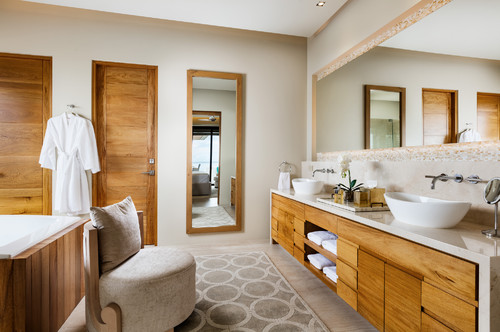
Spa-Like Bathrooms


We could all use a little more relaxation in our lives—so why not bring the spa into your home? In 2024, more homeowners will remodel their bathrooms to turn them into personal oases.1,2


If you’re undertaking a renovation, consider upgrading fixtures and materials. Handmade tile and custom cabinetry can add a touch of style and luxury. Trade stark whites for warm neutrals to create a more relaxed feel—think light wood tones, creams, and beiges.3 Complete the look with soft ambient lighting from a backlit mirror or pair of decorative sconces.2,3


If you want to maximize the mind-body benefits of a relaxing bathroom (and have the budget to spare), you might consider installing a steam shower, infrared sauna, or cold plunge tub.3 Not looking to spend as much? Even minor upgrades like a massaging showerhead or heated towel bar can add some pampering to your morning routine.3 


But remember, if you’re modifying your bathroom, it’s always wise to work with experienced and licensed professionals to avoid water damage that could lead to costly repairs. We can refer you to a trusted contractor for help. 
  • Maximalist Decor


In 2024, maximalism is back in vogue, contrasting the neutral aesthetic that dominated design in recent years. While maximalism can be summed up as “more is more,” there’s nothing sloppy or cluttered about this look. Instead, it’s all about intentional curation.4


Hallmarks of maximalist style include rich and saturated colors, bold wallpaper, statement rugs and furniture, and lots of art. And forget matching—maximalist interiors often include plenty of contrasting colors, textures, and patterns selected to complement one another.4 


If you’re trying to embrace maximalism on a budget, check out thrift stores. They’re often a great place to find unique furniture, colorful rugs, and interesting art or collectibles. Before you invest in rolls of vintage wallpaper, though, it’s important to note—if you plan to sell your home in the near future, the maximalist look won’t appeal to every buyer.


We typically advise sellers to remove clutter and personal items to help buyers imagine their own future lives within the home. Sometimes, that means repainting or redecorating in a more neutral palette. Of course, this shouldn’t stop you from embracing your own style now—just be aware that you may need to walk back your aesthetic prior to selling. We can advise you when the time comes.

  • Japandi Style


Not quite ready to embrace maximalism? Japandi style, which blends Japanese and Scandinavian influences, offers a more subdued approach that still has plenty of character. The look dates back about 150 years to a time when many Scandinavian designers were traveling to Japan for inspiration.5


Japandi style brings together clean lines, simplicity, and a focus on natural elements and light. It emphasizes the beauty in imperfection, or “wabi sabi,” and a deep connection to Mother Earth. And like Scandinavian decor, the look prioritizes comfort and a sense of sanctuary in the home.5 


Interested in playing with Japandi? Common features include calming color palettes and organic materials like raw wood and bamboo. Try softening harsh edges with softer textures, like cozy blankets and ceramic pieces. 


The look also minimizes clutter, but that doesn’t mean you need to be a minimalist. Instead, Japandi style embraces storage solutions like baskets, folding screens, and sofas with built-in storage to give everything a place.6 If you’d like some help implementing Japandi-style organization in your home, contact us for a list of recommended professionals.

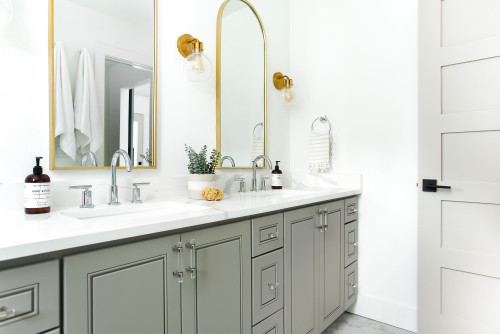
  • Mixed Metals


Mixing metals used to be a “no-no.” But in 2024, it’s definitely a “yes.” 


According to designers, mixing the colors and finishes of metal fixtures and hardware can bring visual interest to a room—as long as you go about it the right way.1,7 


The most important rule to keep in mind is to stay away from near matches, like brass and gold—that’s more likely to look accidental than intentional. Instead, go for bold contrast: Think polished nickel and matte black.7 


Some designers recommend using each metal at least twice in a room to make it look cohesive. Another good rule of thumb is to stick to two types of metals in a small room and two to three in a larger space.7


Finally, you might think about playing with undertones (brass is warm, chrome is cool) to change the “temperature” of a room. And don’t be afraid of a little shine—many designers predict that a retro, high-polished look will replace matte finishes in 2024.8


Want some help sourcing fixtures and hardware in a variety of finishes? Reach out for a list of our favorite retailers.
  • Wood Cabinetry And Accents


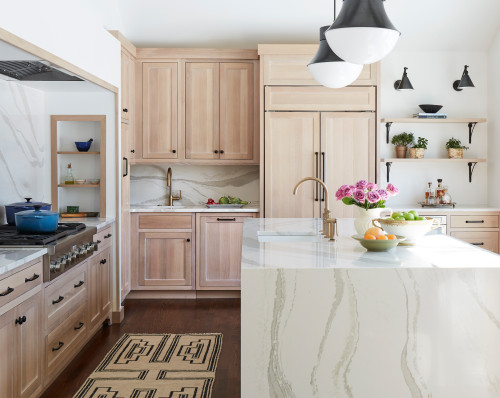
The all-white kitchen has been ubiquitous in recent years. But in 2024, classic wood cabinetry is back in a big way.9 In fact, industry professionals surveyed by the National Kitchen & Bath Association predict that wood cabinets will be more popular than white in the next three years.10


Natural wood tones offer a sense of warmth and natural beauty.11 And today’s cabinets aren’t anything like the heavy, dated versions of the past. Instead, light to medium versions—like white oak and walnut—and warmer undertones are trending.9 


The addition of wood-grain accents to painted kitchen cabinets—like with a contrasting island or range hood—is another popular option.12 And wood continues to be a favored choice for flooring. A recent survey found that 40% of homeowners opted for either hardwood or engineered wood when renovating their kitchen floors.13


You can also expect to see more wood in bathrooms in 2024. According to Houzz, last year, wood vanities surpassed white in popularity for the first time in recent years, and designers expect the trend to continue.12 While white countertops and walls still dominate bathrooms, a wood-grained vanity brings a relaxed, organic element into the space.


Dreaming about new cabinets or hardwood floors? We’d be happy to share a list of recommended trade professionals who can help.

  • Timeless Renovations


In its latest Kitchen Trends Study, Houzz found that “nearly half of homeowners (47%) opt for a timeless design as a sustainable choice during renovations.” Respondents cited long-term cost effectiveness and environmental consciousness as their main motivators.14


In a rapidly changing, technology-driven world, it’s no surprise that homeowners want a nurturing space with lasting appeal—especially if they plan to stay in their homes for years to come.12


Traditional materials and quality craftsmanship lie at the core of timeless design, which some designers are calling “quiet luxury.”15 Think of enduring classics, like hardwood floors, hand-crafted tiles, and marble countertops.12 A timeless color palette will also often include warm neutrals and muted shades of blue and green.15


If you’re thinking about remodeling, it’s wise to incorporate as many classic elements as you can. These stylistic choices tend to hold up well over time, which can prolong the life of your investment and make it easier to sell your home down the road. If you’d like advice on an upcoming project, contact us for a free consultation.
BEAUTIFY YOUR HOME WHILE BOOSTING ITS VALUE


If you’re thinking about making design changes—whether that’s repainting or a full remodel—it’s important to be informed about how your choices could impact your home’s resale potential. Buyer preferences can vary significantly based on your home’s neighborhood and price point. Before you begin your project, reach out to discuss your plans and how they could impact the value of your home.


The above references an opinion and is for informational purposes only. It is not intended to be financial, legal, or tax advice. Consult the appropriate professionals for advice regarding your individual needs.


Sources:

  • HGTV - 
  • https://www.hgtv.com/design/decorating/design-101/2024-home-and-garden-design-trends
  • The Spruce - 
  • https://www.thespruce.com/2024-design-trends-8411457 
  • The Spruce - 
  • https://www.thespruce.com/2024-bathroom-design-trends-8380169 
  • Homes and Gardens - 
  • https://www.homesandgardens.com/interior-design/maximalist-decor-ideas 
  • The Spruce - 
  • https://www.thespruce.com/japandi-design-4782478 
  • House Beautiful - 
  • https://www.housebeautiful.com/room-decorating/a45851530/japandi-interior-design-style/ 
  • The Spruce - https://www.thespruce.com/4-rules-designers-say-you-should-follow-or-ignore-when-mixing-metals-in-a-room-5199031 
  • The Spruce - 
  • https://www.thespruce.com/2024-lighting-trends-8365056 
  • Good Housekeeping - 
  • https://www.goodhousekeeping.com/home/decorating-ideas/a45576463/wood-kitchen-cabinet-trend-2023/ 
  • Better Homes and Gardens - 
  • https://www.bhg.com/2024-kitchen-trends-840656
  • Real Simple - 
  • https://www.realsimple.com/2024-kitchen-cabinet-trends-masterbrand-7974600 
  • Houzz - 
  • https://www.houzz.com/magazine/28-home-design-trends-that-will-define-2024-stsetivw-vs~172317389 
  • Houzz - 
  • https://www.houzz.com/magazine/10-kitchen-trends-to-watch-in-layouts-features-and-more-stsetivw-vs~165050822 
  • Houzz - 
  • https://www.houzz.com/magazine/2023-u-s-houzz-kitchen-trends-study-stsetivw-vs~164970160
  • Better Homes and Gardens - 
  • https://www.bhg.com/quiet-luxury-home-trend-7554026 

February 2, 2026
When most homebuyers calculate whether they can afford a new home, they focus almost exclusively on one number: the monthly mortgage payment. It's the figure lenders qualify them for, the number discussed during showings, and the benchmark used to determine budgets. The average annual cost of owning and maintaining a single-family home in the U.S., excluding the mortgage itself, is estimated at around $21,400 in 2025—roughly $1,800 per month.¹ When you factor in these national average ownership expenses, a $2,500 monthly mortgage can grow to over $4,000 in total housing costs. for a mortgage answers one question: "Can a bank trust you with this loan?" It doesn't answer the more important one: "Can you comfortably maintain this lifestyle?" In today's market, where nearly 45% of homeowners report post-purchase regrets (most commonly because maintenance and hidden costs were higher than expected), understanding the full financial picture before buying has never been more important.² The Predictable Ongoing Costs Property Taxes Property tax bills have been rising sharply nationwide, with the average reaching $4,271 in 2024 and many homeowners seeing increases of 16% or more. 3 Even where tax rates dip slightly, rising home values keep actual bills climbing—creating the irony that a home's appreciation increases annual expenses. Property taxes aren't truly fixed. Reassessments happen regularly, and as neighborhood values rise, so do tax bills—even when rates stay the same. Homeowners Insurance As of December 2025, the average premium for a new policy rose 8.5% year-over-year . 4 Climate disasters, higher rebuilding costs, and insurer risk recalibration continue driving these increases, and the trend shows no signs of reversing. A homeowner could see their monthly payment jump $200-300 in a single year without taking any action themselves—simply because their mortgage servicer adjusted the escrow to cover higher insurance premiums. HOA Dues About 40% of homes for sale have HOA fees, with median costs around $125 per month, though single-family homes typically range from $200-$300 monthly.⁵ These fees rarely decrease and often include special assessments that can add thousands in unexpected annual costs. Utilities In 2024, energy and utility costs averaged $4,494 annually, with internet and cable adding another $1,515. 1 Buyers moving from apartments to single-family homes often see these costs double due to increased square footage, outdoor irrigation, and climate control demands. Routine Maintenance Beyond emergencies, homes require ongoing care: lawn service, gutter cleaning, pest control, HVAC servicing, and seasonal tasks. These aren't luxuries for many households—they're practical solutions to time constraints and property upkeep. Collectively, these services can add $200-400 monthly to ownership costs. The Irregular—but Inevitable—Expenses Major System Replacements This is where many homeowners get caught off guard. Maintenance and repairs aren't a matter of "if" but "when"—and recent years have made "when" far more expensive. Home maintenance now averages around $8,800 annually, with first-year homeowners often facing even higher costs. 1,6 Major repairs aren't cheap: ● HVAC replacement: $5,000-$10,000 ● Roof replacement: $8,000-$15,000 ● Water heater: $1,200-$2,500 ● Foundation repairs: $4,000-$12,000 These aren't possibilities—they're certainties with varying timelines. Use the inspection as a planning tool. A 15-year-old water heater or aging roof signals $8,000-12,000 in likely expenses within the first few years. That's not a deal-breaker—it's a budget roadmap. Buyers who understand these timelines can plan strategically instead of scrambling when systems fail. Newer isn't maintenance-free. Newer builds offer a temporary reprieve, but systems still age, warranties expire, and eventually every home requires major capital improvements. Emergency repairs happen at the worst times. An HVAC failure during a heat wave, a burst pipe in winter, or storm damage to the roof—these scenarios happen when it's least convenient and most expensive. Without liquid reserves, a single emergency can derail finances entirely. Ownership Costs That Creep Up Over Time Here's what surprises many first-time buyers: the so-called "fixed costs" of homeownership aren't actually fixed. While a locked-rate mortgage provides payment stability, the escrowed components—taxes and insurance—can climb significantly year over year due to inflation, climate risk, and local policy changes. A mortgage payment that felt comfortable at closing can feel tight three years later, even without lifestyle changes. Picture this: a letter arrives saying the monthly payment is increasing $200 because insurance premiums rose and the property was reassessed at a higher value. No move, no refinance, no renovation—yet annual housing costs just jumped $2,400. The same gradual creep affects utilities, maintenance services, and every other aspect of homeownership. Budgeting for homeownership means expecting these costs to rise 3-5% annually. True stability requires planning for volatility. Planning Smarter: How Homeowners Can Stay Ahead The encouraging news: buyer's remorse is largely preventable. The issue isn't buying the wrong house—it's buying without adequate preparation. Create a Dedicated House Repair Fund Separate from emergency savings, this fund exists solely for home maintenance and repairs. Treat it like a non-negotiable monthly bill—set up automatic transfers so it happens without thinking about it. The old rule of saving 1% of your home's value annually? It's outdated. Plan for more—closer to 2-3% of your home's value annually, or whatever amount lets you sleep at night knowing the HVAC won't derail your budget. Don't Drain Your Savings at Closing Cash reserves protect against surprises and prevent forced debt when repairs arise. If possible, keep several thousand dollars liquid after closing rather than putting every available dollar into the down payment or upgrades. That breathing room matters more than most buyers realize. Invest in Preventative Maintenance Annual HVAC servicing, gutter cleaning, and seasonal inspections catch small problems before they become expensive emergencies. A modest service call that prevents a major system failure is always worthwhile. Create a seasonal maintenance calendar: HVAC checkups in spring and fall, gutter cleaning before winter, roof inspections after major storms. Consistency prevents costly surprises. Know Your Home's Systems and Timelines Understanding when major systems were last replaced helps predict future expenses. A 12-year-old water heater isn't an emergency today, but it signals a likely expense within 2-3 years. Planning beats scrambling. When Homeownership Still Make Sense Despite the expenses, homeownership remains one of the most powerful wealth-building tools available to American families—when approached correctly! Long-Term Equity Building Mortgage payments build equity with every payment. Unlike rent, ownership creates a forced savings mechanism that compounds over decades. In most markets, homes appreciate over time, multiplying the wealth-building effect. Stability and Control Homeowners control their living environment. Want to renovate the kitchen, paint the walls, landscape the yard, or install solar panels? Ownership provides autonomy that renting never will. That control has both lifestyle and financial value. Predictability vs. Rent Volatility While ownership costs rise gradually over time, rent increases can be sudden and dramatic—with national rents climbing 31% over the past five year. 7 A fixed-rate mortgage provides payment predictability that renting cannot match. Yes, taxes and insurance increase, but the principal and interest portion—typically 60-70% of the total payment—remains locked. Renters face volatility on 100% of their housing costs. Lifestyle Benefits Beyond finances, homeownership offers intangible benefits: deeper community roots, stability for families, space for hobbies, and the pride of building something that's truly yours. These benefits have real value, even if they don't appear on a balance sheet. The key is ensuring the financial foundation supports the lifestyle, not undermines it. A Better Way to Think About Affordability The true measure of affordability isn't what a lender will approve—it's what allows sleeping well at night when the water heater fails or the insurance premium spikes. The smartest buyers calculate affordability as "mortgage plus carrying costs" from the start, which might narrow the price range slightly but creates breathing room and peace of mind. Homeownership remains one of the most powerful wealth-building tools available, but only when approached with financial realism rather than maximum leverage. Having an honest conversation about what affordability truly looks like isn't about limiting dreams—it's about making sure those dreams don't become financial nightmares. Sources: 1. Bankrate: https://www.bankrate.com/home-equity/hidden-costs-of-homeownership-study/ 2. Bankrate: https://www.bankrate.com/f/102997/x/c84a6b9359/homeowner-regrets-survey-press-release.pdf 3. Matic: https://matic.com/blog/2026-home-insurance-predictions/ 4. NAHB: https://www.nahb.org/blog/2025/12/property-taxes-2024-residential/ 5. Realtor.com: https://www.realtor.com/research/homeowners-associations-2024/ 6. Inman: https://www.inman.com/2026/01/12/as-home-maintenance-costs-rise-agents-turn-to-tools-that-reduce-buyer-risk/ 7. Rentec Direct: https://www.rentecdirect.com/blog/new-data-shows-the-state-of-rent-in-2025-from-rentec-direct/ 
January 5, 2026
Will 2026 be the year buyers stop waiting? Forecasters are split, predicting anywhere from 1.7% 1 to 14% 2 growth in home sales. That 12-point gap reveals the central question facing the housing market: how much will slightly lower mortgage rates and slowly eroding lock-in effects actually unlock pent-up demand? Nearly every major forecaster agrees the market will be more active than 2025. But beyond that consensus, predictions diverge sharply on pace and scale. The National Association of Realtors (NAR) expects robust 14% sales growth. Realtor.com sees a modest 1.7% bump. Both could be right for different markets and price points. For anyone planning to buy, sell, or simply understand their home equity position in 2026, these diverging forecasts matter less than the underlying fundamentals. Mortgage rates should settle slightly lower. Inventory will improve modestly. Prices will continue rising, though more slowly than recent years. The market is thawing. More importantly, the housing market appears to be returning to the pace and rhythm of more normal conditions after the artificial volatility of the pandemic era. The 2025 Context: Why the Market Stayed Frozen The 2025 housing market disappointed. Mortgage rates remained stubbornly above 6.5%, suppressing demand and keeping transaction volumes near historic lows. 8 As of mid-2025, more than 80% of U.S. homeowners hold mortgage rates below 6%, reinforcing the lock-in effect that has kept many would-be sellers on the sidelines.³ Affordability challenges reached acute levels. The typical first-time buyer aged to 40 years old 4 , reflecting simple math that monthly payments at elevated rates and prices pushed homeownership out of reach for younger buyers. The market did not crash but did not heal either, with overall transaction volume remaining constrained. 2026 Predictions: Where Forecasters Agree and Disagree Mortgage Rates: Consensus on Modest Improvement Forecasters agree broadly on mortgage rate trajectories. Expectations cluster tightly in the 6.0% to 6.4% range, representing modest but meaningful improvement from 2025 levels.  2026 Mortgage Rate Forecasts
December 2, 2025
Timing isn’t everything in real estate, but it can mean the difference between saving $20,000 or paying a premium, selling in 30 days or waiting three months, and negotiating from a position of strength or uncertainty. As we look toward 2026, understanding seasonal patterns has become more critical than ever. With inventory levels normalizing and market conditions continuing to evolve, knowing when to make your move can dramatically impact your outcome. Whether you're a first-time buyer watching every dollar or a seller trying to maximize your profit, the season you choose matters. The challenge? Not everyone can wait for the "perfect" time. Job relocations happen in January. A growing family needs more space in July. Retirement doesn’t wait for spring. This guide breaks down the pros and cons of each season so you can make the smartest decision within your timeline. Spring: Peak Selling Season (March-May) Spring isn’t called peak season by accident. The housing market comes alive with energy that is impossible to ignore. Data shows homes listed in spring sell in as few as 33 days, compared to 49 days in winter. 1 May also offers the highest seller premium, 13.1% above market value, translating to faster sales and higher returns. 2 Buyer psychology also plays a role. Warmer weather encourages open house attendance, longer daylight allows more viewings, and families aim to move before school starts, creating urgency. Spring blooms and greenery boost curb appeal in ways winter staging cannot match. 3 The Competition Factor The trade-off is that spring’s advantages come with more competition. Sellers must make their homes stand out, pricing correctly, staging well, and marketing aggressively. Buyers benefit from the largest inventory, with new properties listed weekly, but face higher competition. In May and June, 35% of buyers pay above list price compared to 24% in January, making bidding wars common and increasing pressure to decide quickly. 4 Summer: Extended Peak Season (June-August) As spring transitions to summer, the market maintains its momentum. June often sees the highest sales volume of the year, with more than 16,500 homes selling per day. 1 The Family Timeline Summer’s appeal aligns with family schedules, as school breaks let children move without disrupting education. Warm weather and long days make moving easier and provide ample time for viewings. Outdoor spaces like pools, patios, and landscaping are at their best. Higher prices and sales activity reflect the premium buyers pay for peak-season convenience. Late Summer Shifts By August, changes appear. Unsold spring or early summer listings may become “stale,” and buyers begin settling as school starts. Competition eases slightly, though prices stay high, making it a transition month where patient buyers can benefit. A practical concern is moving costs, which peak in summer due to high demand. Nearly half of all household moves occur between June and August, increasing competition for movers and rental trucks alike. 5 Fall: Underrated Opportunity Season (September-November) Fall might be real estate's best-kept secret. While conventional wisdom suggests spring is the only time to transact, savvy buyers and sellers increasingly recognize fall's unique advantages. Less Competition, More Serious Players Data shows a large share of home sales occur in the fall, a detail often overlooked. With fewer competing sellers, listings stand out more, and active buyers tend to be serious and ready to act quickly. 3 October typically offers the best conditions for buyers. Data shows it has one of the lowest seller premiums of the year—about 8.8% above market value—as demand cools and competition eases. 2 Home prices also tend to dip slightly from summer highs, saving buyers thousands compared to peak-season purchases. 4 For first-time buyers especially, fall can be an ideal time to find value without the bidding wars of spring and summer. The Urgency Factor Fall brings natural urgency. Buyers aim to close before holidays and bad weather, while sellers may be motivated by taxes or avoiding a winter listing. Comfortable weather in many areas makes showings easier. Fall buyers are often more decisive, with fewer casual browsers and more serious purchasers ready to negotiate. Winter: Value Season (December-February) Winter gets a bad reputation in real estate, but for buyers with flexibility, it offers the year's best value proposition. The Numbers Don’t Lie The low-competition environment in winter provides the best opportunity for buyers to secure a discount. In January, only 24% of buyers pay above list price compared to 35% in May and June, which greatly reduces the chance of bidding wars. 4 This lower competition also means winter homes stay on the market longer, averaging 49 days versus 31 days during peak season, giving buyers more time, less pressure, and stronger negotiating power. 1 Motivated sellers become more flexible as the holidays pass. Moving companies also offer their lowest rates in winter. Winter’s Challenges Winter has trade-offs. Sellers face the lowest buyer traffic, holiday distractions, limited curb appeal from dormant landscaping, and shorter daylight for showings. Yet winter offers advantages. Less competition can help if you price aggressively and present well, and buyers who do visit are highly motivated, often relocating for jobs. Warm-climate markets like Florida and Arizona see smaller winter slowdowns, making location important. 1 Snow and ice create safety hazards, and cold weather makes moving harder. However, winter also reveals property truths, such as heating efficiency, drafty windows, and roof performance, which is all information savvy buyers use during inspections. Regional Differences: Not All Markets Are Equal Seasonal changes in the real estate market depend heavily on location, meaning a strategy that works in one city may fail in another. Markets in the Midwest and Northeast experience the most dramatic seasonal swings due to harsh winters, which push most activity into the short window between May and August. For example, daily home sales in the Midwest often more than double from January to June, with states like Illinois and Ohio seeing significant annual price swings. In contrast, Southern and Western markets enjoy stable, year-round activity because of mild weather. Places like California and most of the South see much less severe slowdowns in winter. The exception markets are those where mild winter weather attracts buyers, like Phoenix, Arizona , where the best selling time is late November. Understanding these local patterns is crucial, as local market dynamics always matter more than general national statistics. Feel free to reach out if you would like to know more about the specific seasonal patterns in your local area. Pricing Strategies by Season Pricing strategy must adapt to seasonal realities. What works in May fails in December, and vice versa. Spring and Summer Pricing During peak season, competitive pricing often attracts multiple offers. Pricing strategically 10–15% below comparable sales can spark competition and push final offers above list. Psychological pricing also matters; listing slightly under round numbers ($349,000 instead of $350,000) increases online visibility and appeals to buyer behavior. Emphasizing seasonal features such as outdoor spaces, natural light, and blooming gardens helps justify premium pricing. 3 Fall Reality Check As competition declines in fall, pricing should be more realistic. Listing slightly below spring comparables can help generate activity. Flexibility on price attracts serious year-end buyers eager to close before the holidays and bad weather. Recognizing buyer urgency allows you to price strategically rather than reactively. 2 Winter Aggression Winter requires more aggressive pricing to attract a smaller buyer pool. Pricing 5–10% below spring values can create immediate interest. Motivated sellers should focus on value over premium pricing. Buyers shopping in January aren’t bargain hunters, they’re seeking homes that justify moving during an inconvenient season. 1 Year-round best practices stay consistent: use a Comparative Market Analysis, consider current market conditions, account for unique property features that algorithms may overlook, and monitor comparable sales while staying open to adjustments. Buyer Offer Strategies by Season Spring and Summer Competition Peak season requires quick, confident action. Get pre-approved to show you’re a serious buyer and be ready to move fast. Consider offering above asking price when you find the right property, and use an escalation clause to outbid competitors up to your limit. Flexible closing dates also strengthen your offer. Some buyers write personal letters to create emotional connections. Fall and Winter Leverage Negotiating power shifts with the seasons. In fall and winter, when seller competition drops and buyer pools shrink, you gain leverage. You can more easily request seller concessions such as closing costs, home warranties, repairs, or even appliances and fixtures. Use inspection results to negotiate price reductions, as motivated sellers grow more flexible later in the season. You can also request longer inspection periods and winter move-in credits.¹ Year-Round Negotiation Fundamentals No matter the season, understanding the seller’s motivation is key. Support your offer with market data rather than emotion, and build rapport when possible. Stay calm and avoid emotional decisions. Have your agent handle offers and counteroffers to reduce tension. Know your limits and walk away from deals that don’t fit your goals. In buyer’s markets, be assertive; in seller’s markets, make offers strong and decisive. The fundamentals stay the same, though their intensity shifts with the season. BOTTOMLINE Seasonality creates opportunities and challenges, but personal circumstances should drive timing. Spring/early summer brings the highest prices and fastest sales. Winter offers buyers the best deals. Waiting for the “perfect” season doesn’t help if life demands action. Understanding your specific situation, timeline, and goals allows us to create a customized strategy that maximizes outcomes within your constraints. The best time to move is when it's right for you. Sources 1. National Association of REALTORS®. Navigating the Housing Market: A Seasonal Perspective. 2024. https://www.nar.realtor/blogs/economists-outlook/navigating-the-housing-market-a-seasonal-perspective 2. Bankrate. Best Time to Sell a House. 2024 https://www.bankrate.com/real-estate/best-time-to-sell-house 3. Investopedia. How Seasons Impact Real Estate More Than You Think. 2024. https://www.investopedia.com/articles/investing/010717/seasons-impact-real-estate-more-you-think.asp 4. Zillow https://www.zillow.com/learn/best-time-to-buy-a-house/ 5. My Moving Journey https://mymovingjourney.com/blogs/moving-in-peak-season-vs-off-season